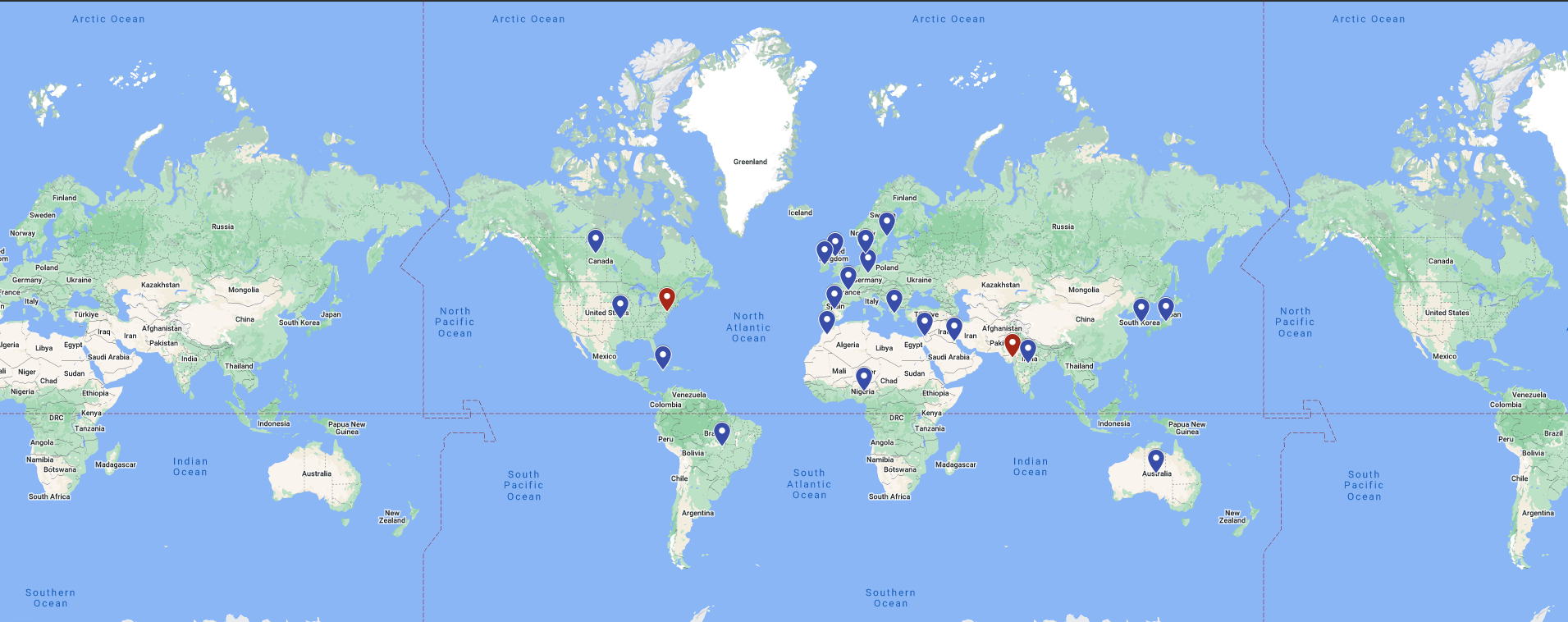

In the dynamic realm of artificial intelligence, the pursuit of more inclusive and efficient language models has catalyzed a series of transformative innovations. At the forefront of these advancements is EMMA-500, a cutting-edge multilingual language model crafted to elevate language representation, with a particular focus on low-resource languages. Anchored in the formidable Llama 2 7B architecture, EMMA-500 draws upon the expansive MaLA Corpus, which spans over 500 languages and 74 billion tokens, to excel in a diverse array of multilingual tasks.
Delving into EMMA-500
Architecture and Linguistic Reach
EMMA-500 is artfully engineered on the Llama 2 7B framework, optimizing language adaptation through ongoing pre-training. The model ambitiously supports 546 languages, each bolstered by a substantial dataset exceeding 100,000 tokens. This vast linguistic reach ensures that EMMA-500 can adeptly navigate a multitude of multilingual contexts with exceptional proficiency.
A Rich Tapestry of Data
The training of EMMA-500 employs a diverse mix of textual data drawn from domains such as code, literature, and instructional material. This diversity not only augments the model's versatility but also fortifies its robustness in specialized tasks including commonsense reasoning, machine translation, text classification, and open-ended text generation.
Practical Implications
EMMA-500 transcends theoretical achievements, offering practical applications that render it an invaluable asset within the AI landscape. From generating multilingual text to executing intricate language tasks, EMMA-500 distinguishes itself with its outstanding performance.
Implementing EMMA-500
To harness EMMA-500 for multilingual text generation, consider the following approach:
from transformers import AutoModelForCausalLM, AutoTokenizer model_name = "MaLA-LM/emma-500-llama2-7b" tokenizer = AutoTokenizer.from_pretrained(model_name) model = AutoModelForCausalLM.from_pretrained(model_name) input_text = "Once upon a time" inputs = tokenizer(input_text, return_tensors="pt") outputs = model.generate(**inputs) print(tokenizer.decode(outputs[0], skip_special_tokens=True))
This example illustrates the seamless integration of EMMA-500 into projects, delivering potent multilingual capabilities with ease.
Evaluating Performance and Addressing Challenges
EMMA-500 has undergone rigorous evaluation across various benchmarks, demonstrating:
- The lowest negative log-likelihood in intrinsic evaluations.
- Marked enhancements in commonsense reasoning, machine translation, and open-ended generation.
- Superior performance in text classification and natural language inference, surpassing all other Llama 2-based models.
- Improved capabilities in code generation and machine reading comprehension (MRC).
Nonetheless, challenges persist, particularly in low-resource languages where the model shows elevated Self-BLEU scores, indicating diminished output diversity. Tackling these challenges is vital for further refining the model's effectiveness.
Acknowledgements
The creation of EMMA-500 is a collective endeavor, with contributions from researchers at [Helsinki-NLP](https://huggingface.co/Helsinki-NLP), TU Darmstadt, the University of Edinburgh, and LMU Munich. This work is generously supported by [HPLT](https://hplt-project.org) and [UTTER](https://he-utter.eu). Special gratitude is extended to the language communities and contributors instrumental in sourcing, cleaning, and validating the diverse data utilized in the MaLA Corpus.
Conclusion
EMMA-500 epitomizes the progress being made in multilingual AI research. By advancing language representation and fostering linguistic diversity, it sets the stage for more inclusive and effective AI applications. As we persist in refining and expanding its capabilities, EMMA-500 is poised to become a cornerstone in the future of multilingual language models.